A full inspection and test of the fixed wiring in your Radstock home, flat or rental, written up on the model EICR form with every circuit tested and every defect coded.
Priced on the number of circuits, with a fixed price in writing before we test.
Radstock grew around the Somerset coalfield. Coal was found here in 1763, and at the 1901 peak the coalfield had 79 separate collieries. The terraces built for colliery families are still a big part of the town, and many will have been rewired at least once since they were built. The question an EICR answers is whether that last rewire, and everything added since, is still safe.
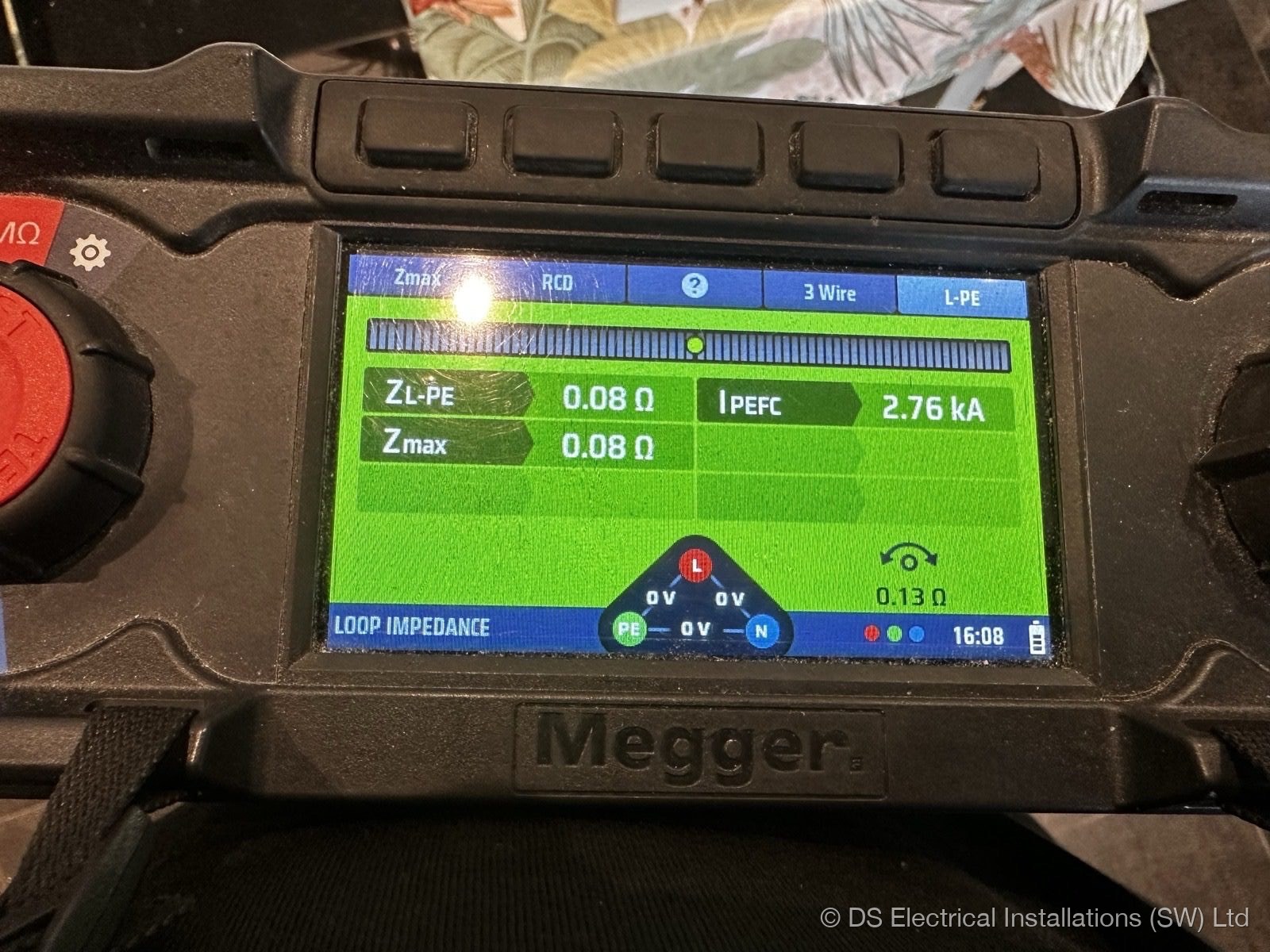
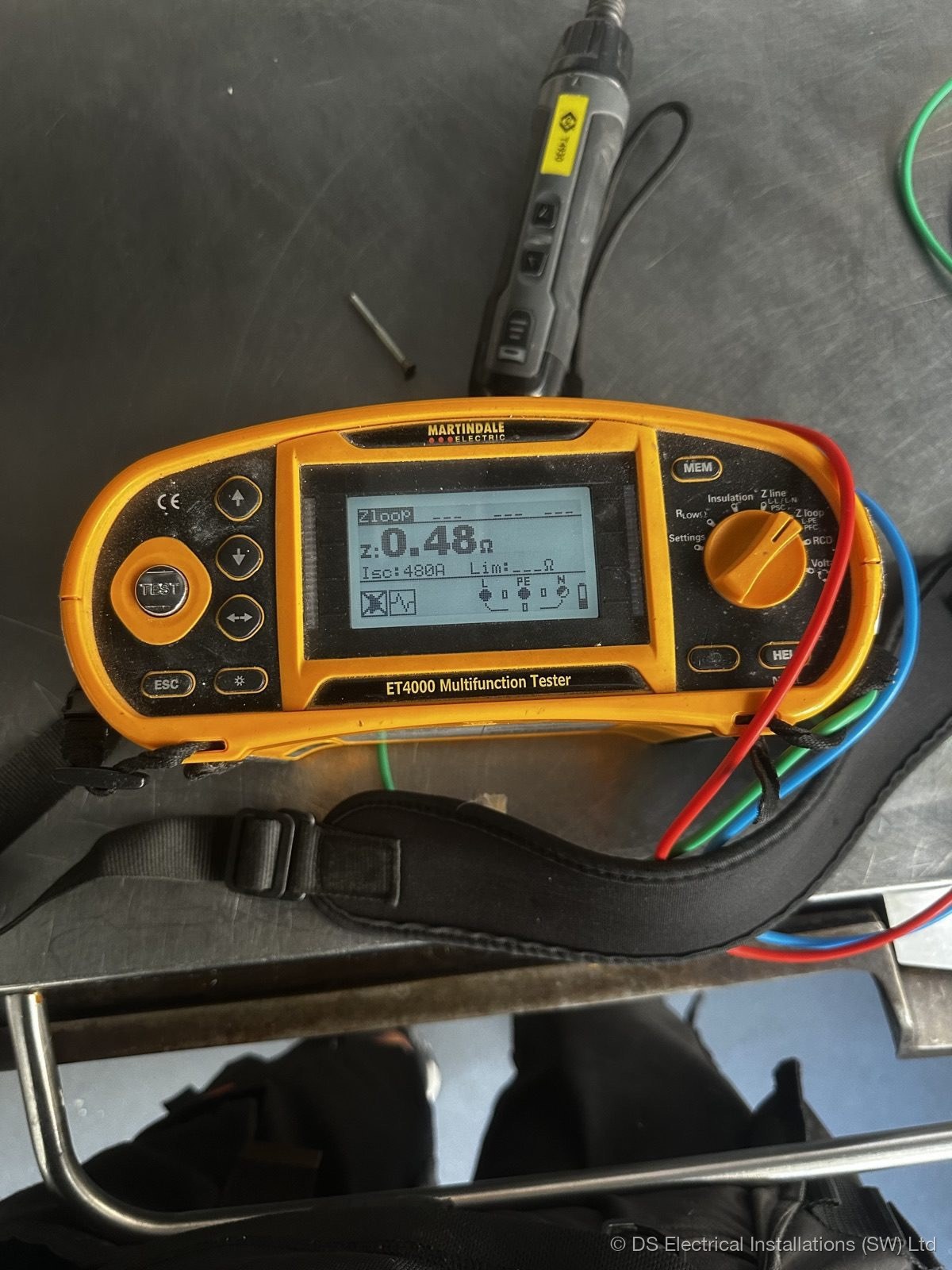
We test every circuit with a calibrated multifunction tester: continuity of the protective conductors, insulation resistance between conductors, polarity, earth fault loop impedance and the operation of every RCD. We inspect the consumer unit, the main earth, the bonding to gas and water, and a sample of sockets, switches and light fittings in each room. The result is a written report, not a sticker.
Each problem we find gets a code. C1 means danger present, and we make it safe before we leave. C2 means potentially dangerous. C3 means improvement recommended. FI means further investigation is needed. Any C1 or C2 makes the report unsatisfactory, and we explain each item in plain English.
In 1933 Radstock and Midsomer Norton were merged into the Norton Radstock urban district, which also took in Clandown, Haydon, Westfield and Writhlington. Westfield in particular has rows of terraced miners’ cottages along the Fosse Way and estates built on both sides of it in the 1970s. So a single street in BA3 can hold three generations of wiring.
On older terraces the things that tend to show up on a report are boards with no RCD protection, missing main bonding to the gas or water pipe, lighting circuits with no circuit protective conductor, and extensions or loft rooms wired off whatever circuit was nearest. On 1970s estate houses it is more often an original board that has never been changed, sockets added in a garage or conservatory by a previous owner, and outside lights with no record of who fitted them.
None of that means a fail by default. A report can be satisfactory with C3 items on it. We record what we find and leave the decisions with you.
The report follows the current edition of the wiring regulations, BS 7671:2018+A4:2026, and is lodged through our NAPIT registration.
We price an EICR by the number of circuits, because that is what sets the time on site. A two-bed terrace with a modern board is often eight or nine circuits. A larger house with an electric shower, a cooker, an outbuilding supply and a separate lighting circuit per floor can run past ten.
Because every house is different, we don't publish a price list. The written quote follows a survey or a phone and photo consultation, and the price is fixed before we start. Three-phase premises are priced the same way.
Most homes are a half-day job. The power has to go off circuit by circuit for the dead tests, so we agree a time that suits you, and we warn you about fridges, freezers, alarms and anything that needs re-setting afterwards.
We cover the whole of BA3 and the nearby BA2 villages. That includes Writhlington, where the last pit closed in 1973, Kilmersdon on the B3139 road towards Frome, Clandown and Haydon, and Westfield along the Fosse Way. In BA2 we go out to Peasedown St John, Camerton, Dunkerton, Wellow and Timsbury.
Owners in Midsomer Norton should see our Midsomer Norton EICR page, which covers the estates around Welton and Norton Hill in more detail.
Give us a name and number and we will call back to agree a date and a price. Add the address and number of bedrooms if you have them to hand.
Call, WhatsApp or email and we will give you a price based on the circuit count before we book.
07889 334849