EICRs, consumer units, rewires, listed-building work, EV chargers, alarms and commercial installations across every part of Bath and the BANES villages to the south-west. NAPIT registered, written prices, proper certificates.
Quick enquiry
Any job, any size. Leave a name and number and we will call back. We come back within 24 hours.
DS Electrical Installations (SW) Ltd is a NAPIT-registered electrical contractor based in Mid Somerset, about 40 minutes from Bath. We work across BA1 and BA2 for homeowners, landlords, letting agents, a social-housing provider and local businesses, and in the villages of Bath and North East Somerset to the south-west of the city.
Bath is not a typical city to wire. The whole of it has been a World Heritage Site since 1987, much of the housing is Georgian or Victorian Bath stone, many homes are rented, and two universities support a large shared-house market. This page sets out every service we offer in Bath, what we find in each part of the city, and where to go next.
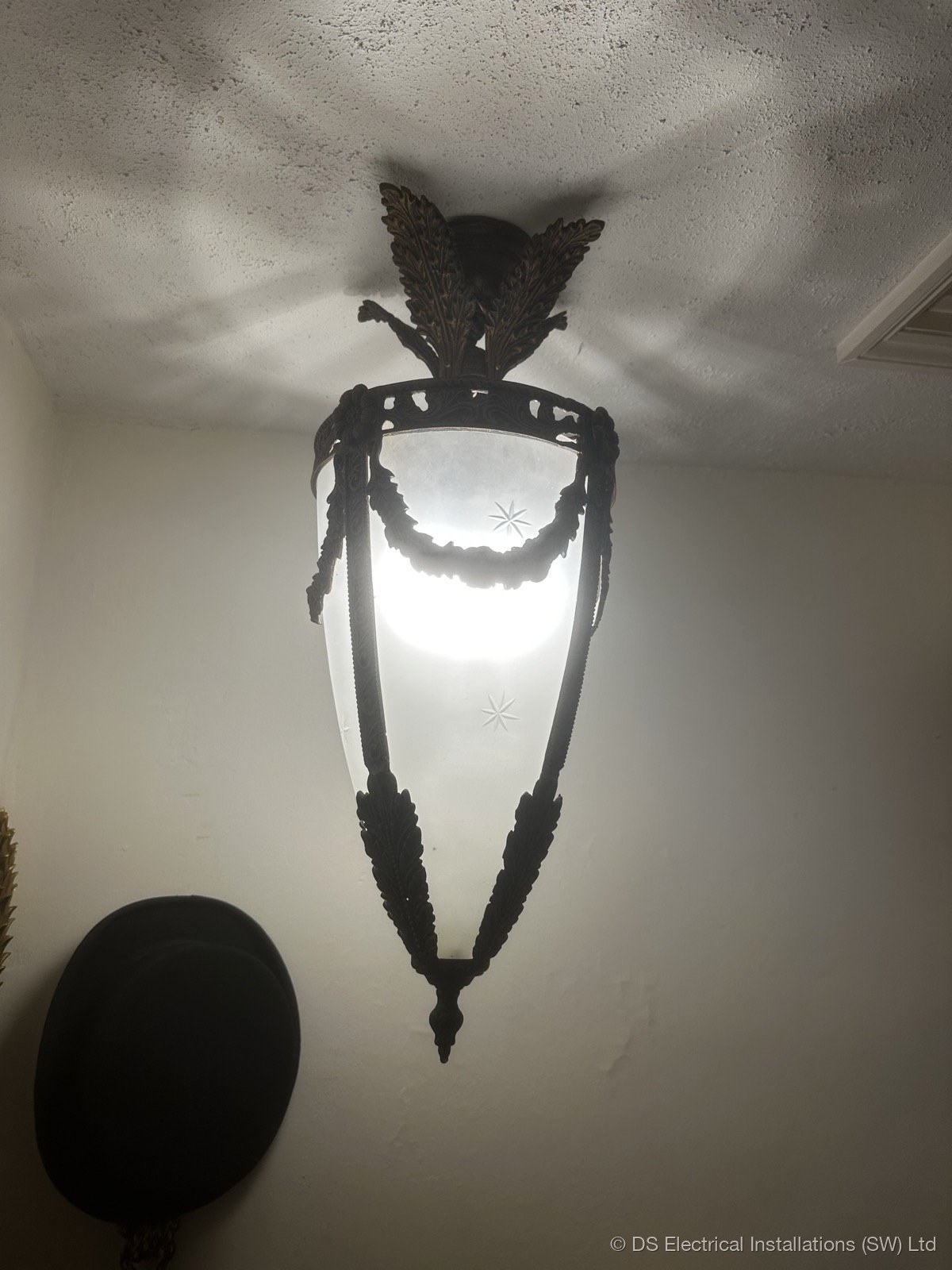
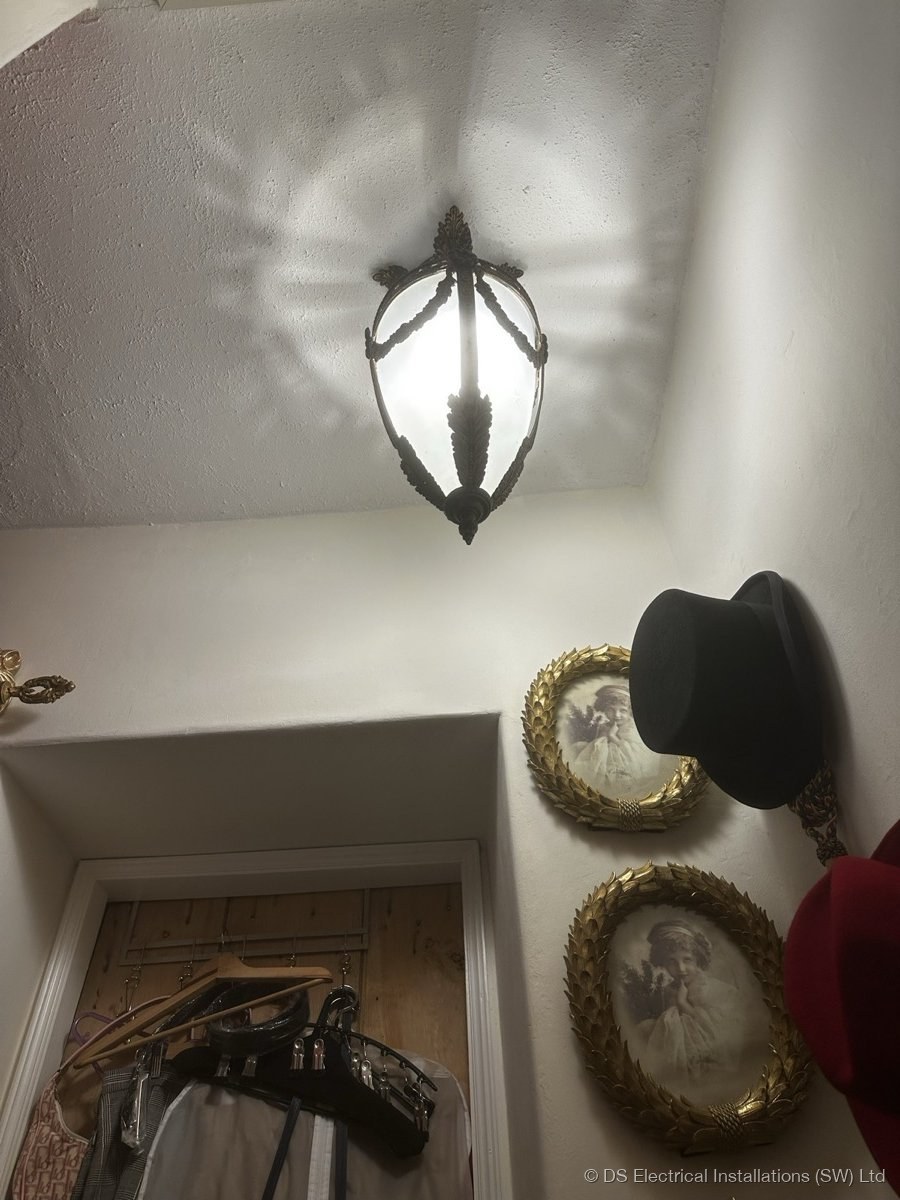
Listed building consent is needed for alterations that affect a listed building's character, inside as well as out, and doing such work without consent is a criminal offence. For electrical work that means planning routes that avoid cutting historic plaster, reusing old cable paths and voids, choosing accessories that suit the room, and writing the scheme up clearly for the conservation officer. A wall-mounted EV charger within the curtilage of a listed building is not permitted development either, so that needs consent too.
Shared houses cluster in Oldfield Park, Westmoreland and Widcombe. Changing a family house into a small HMO in Bath needs planning permission under the city's Article 4 direction. HMOs with five or more people from more than one household need a mandatory licence; Bath's additional licensing scheme for smaller HMOs ended on 31 December 2023, and the council has said any replacement would need a consultation first. Every rented home needs a satisfactory EICR at least every five years and the right smoke and CO alarms, which is why landlord EICRs and interlinked alarms make up so much of our Bath work.
The estates of Twerton, Whiteway, Southdown and Odd Down were mostly built after the war, and many homes have had a board change but kept older lighting circuits. Newer developments such as Mulberry Park in Combe Down bring a different job list: EV chargers, garden offices and smart controls.
The Georgian core of Bath, from the Circus and Royal Crescent up to Lansdown Crescent, built between 1789 and 1793 to John Palmer's design and now Grade I listed. Many houses here are now flats over four or five floors, with meters grouped in basements or communal cupboards. Work is mostly flat EICRs for landlords, consumer unit changes, careful rewires, and out-of-hours call-outs to flats where a leak from above has reached the lighting.
About a mile and a quarter north-east of the centre, Larkhall grew in the early nineteenth century to house Bath's working population and now has its own high street of independent shops. Terraced streets mean board changes, extra sockets and lighting upgrades; we have also attended communal and emergency lighting failures in shared hallways here, and an electric shower tripping on a failed element.
Bathwick sits across the river from the centre. Further east, Bathampton (on the south bank of the Avon, with the Kennet and Avon Canal running through it) and Batheaston (on the north bank, about two miles out, with both the Avon and the Bybrook running through it) have larger houses with gardens, which means longer cable runs for EV chargers, garden offices and outdoor lighting. In Bathwick our recent call-outs include water getting into socket-outlets, and a total loss of power traced to faulty appliances tripping a circuit.
Widcombe lies just south-east of the centre across the Avon, where the canal climbs through Bath Locks, with Georgian and Victorian houses including Widcombe Crescent (1808). Bear Flat runs along the Wellsway, the old Fosse Way, and includes Poets' Corner, a late Victorian and Edwardian district of large terraced houses. Both have a mix of family homes and student lets; EICRs, rewires of tired lighting circuits and interlinked alarms are the usual requests.
On the ridge about a mile and a half south of the centre, Combe Down is built mainly of eighteenth and nineteenth century Bath stone villas, terraces and quarry workers' cottages, above old stone mines that were stabilised between 2005 and 2010. Newer housing such as Mulberry Park sits alongside. Solid stone walls make route planning matter on any rewire here. We have attended water-ingress call-outs to flats in Combe Down where leaks reached bathroom lighting.
Streets of Victorian terraces south-west of the centre, served by Oldfield Park station and popular with students from both universities. Many houses are shared lets, and HMO concentration is a planning issue the council manages through its Article 4 direction. Landlord EICRs, interlinked alarms, extra bedroom sockets and board changes are the bulk of the work. In Westmoreland we restored supply to a flat on the night after tracing a fault at the incoming meter.
West and south-west Bath has a large share of post-war social housing, with Twerton in particular having a high share of social-rented homes. This is where most of our out-of-hours Bath call-outs happen: water from a flat above in light fittings, failing sealed bathroom lights replaced with IP-rated LED fittings, leaking or tripping electric showers, and broken socket-outlets made safe. Odd Down, on the southern edge by the Wansdyke earthwork, is where we recently made safe a bathroom after water from the flat above reached the electrics.
Weston, in the north-west, was a separate village absorbed by Victorian and post-war building, and still has its own centre. Newbridge, on the western edge, developed mostly from the early 1900s and includes Combe Park and the Royal United Hospital. Recent jobs include an immersion heater time clock fault in Weston and a broken socket and switch replaced in Newbridge.
Our Bath work runs out along the A367 and the old coalfield villages towards Radstock and Midsomer Norton. Drive times below are approximate, by road from Bath city centre outside the rush hour.
About five miles south-south-west of Bath and two miles north-east of Radstock, around a quarter of an hour by road from the city outside rush hour. A former coal mining village that grew into one of the largest villages in the area, with 1950s and 1960s terraced and semi-detached homes and a large wave of building in the late 1990s and early 2000s. Those newer houses are now old enough to need their first EICRs and board changes, and we have recently carried out EICRs in the village. More on Peasedown St John.
About eight miles south-west of Bath on high ground near the northern edge of the Mendips, roughly twenty minutes by road. The Somerset Coal Canal started here in 1795, and many of its older buildings are of local White Lias stone within a conservation area designated in 1978. Expect stone cottages with thick walls and older wiring, alongside later estate housing; rewires, consumer unit changes and EV chargers are typical. More on Timsbury.
A former mining village north of the Mendips, at the end of the northern branch of the Somerset Coal Canal, a little over twenty minutes from Bath by road. The old Purnells printing works site was redeveloped between 2009 and 2015 with around 420 new homes, so Paulton mixes older terraced housing with houses that are now reaching their first periodic inspection. More on Paulton.
Further south, the towns of Midsomer Norton and Radstock have their own pages.
Yes, all of BA1 and BA2, from the city centre out to Weston, Newbridge, Twerton, Southdown, Odd Down, Combe Down, Widcombe, Bathwick, Larkhall, Bathampton and Batheaston, and the BANES villages to the south-west including Peasedown St John, Timsbury and Paulton.
We are based in Mid Somerset, about 40 minutes from Bath by road outside the rush hour. We plan Bath work into set days to keep travel efficient, and we will give you a realistic date when you call rather than a promise we cannot keep.
It can be. Much of central Bath is residents' permit parking. If you can arrange a visitor permit for the van on the day, it saves time and keeps the cost where we quoted it. Tell us when you book and we will plan around it.
Yes. We plan routes that avoid cutting historic fabric, prepare a written scheme to support listed building consent where it is needed, and fit accessories that suit the room. See our heritage rewires page.
A large share of our Bath work is for landlords, agents and a social-housing provider: EICRs, alarms, remedials and out-of-hours call-outs. Tenant liaison is included and certificates go wherever you need them.
We are DS Electrical Installations (SW) Ltd, company number 13972348, NAPIT registered 66245, on 07889 334849 and [email protected]. There are other firms with similar names elsewhere in the country; check the number before you book.
A written, itemised quote before any work starts. NAPIT registered, BS 7671 certified.
07889 334849