Electrical Installation Condition Reports for Frome houses, flats, rental property and shops, from the old streets of the town centre to the new homes on its former industrial sites.
Priced on the number of circuits, with a fixed price in writing before we test.
Frome has around 370 listed buildings, more than anywhere else in Somerset outside Bath, and most of its centre is a conservation area. Plenty of those buildings have been altered many times. The electrics reflect that: circuits added in different decades, cables run in odd places, and junction boxes hidden under floors that were relaid since.
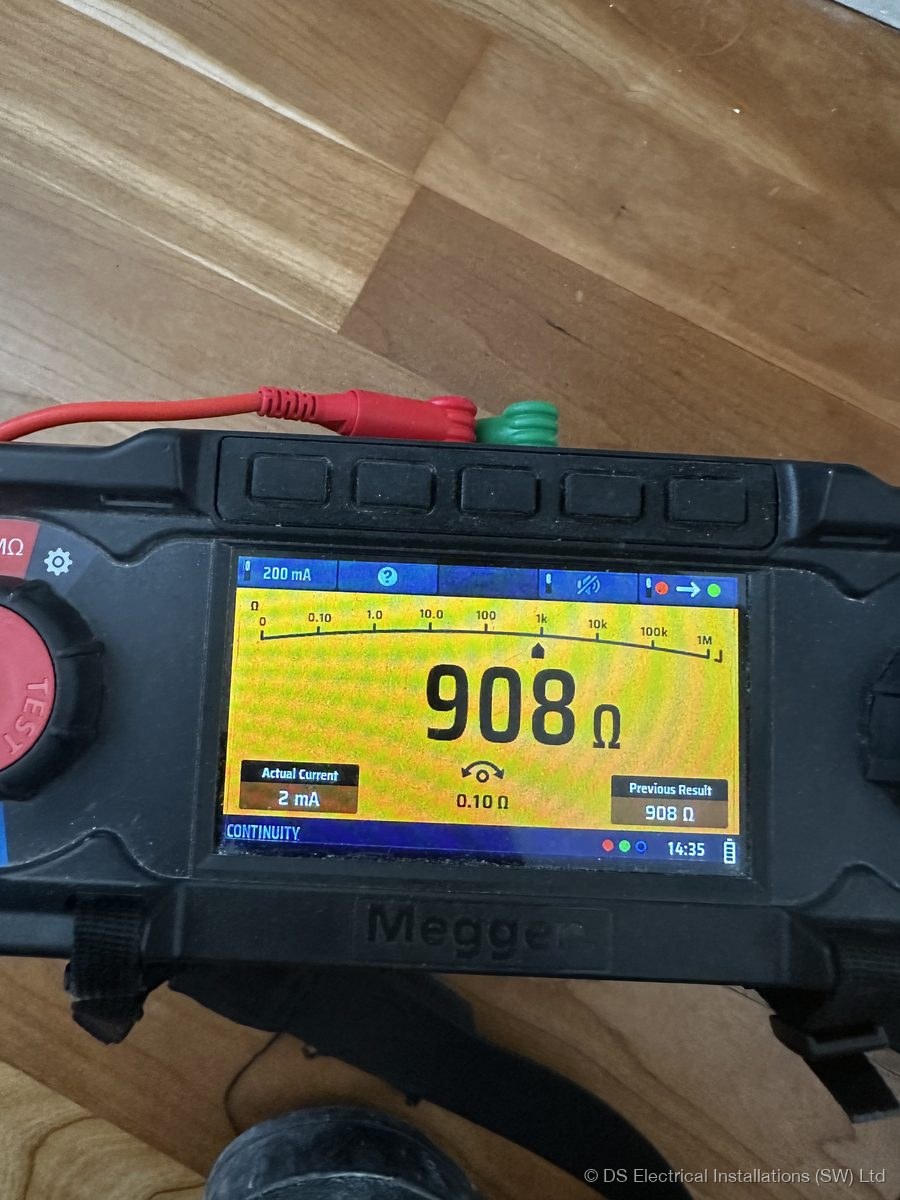
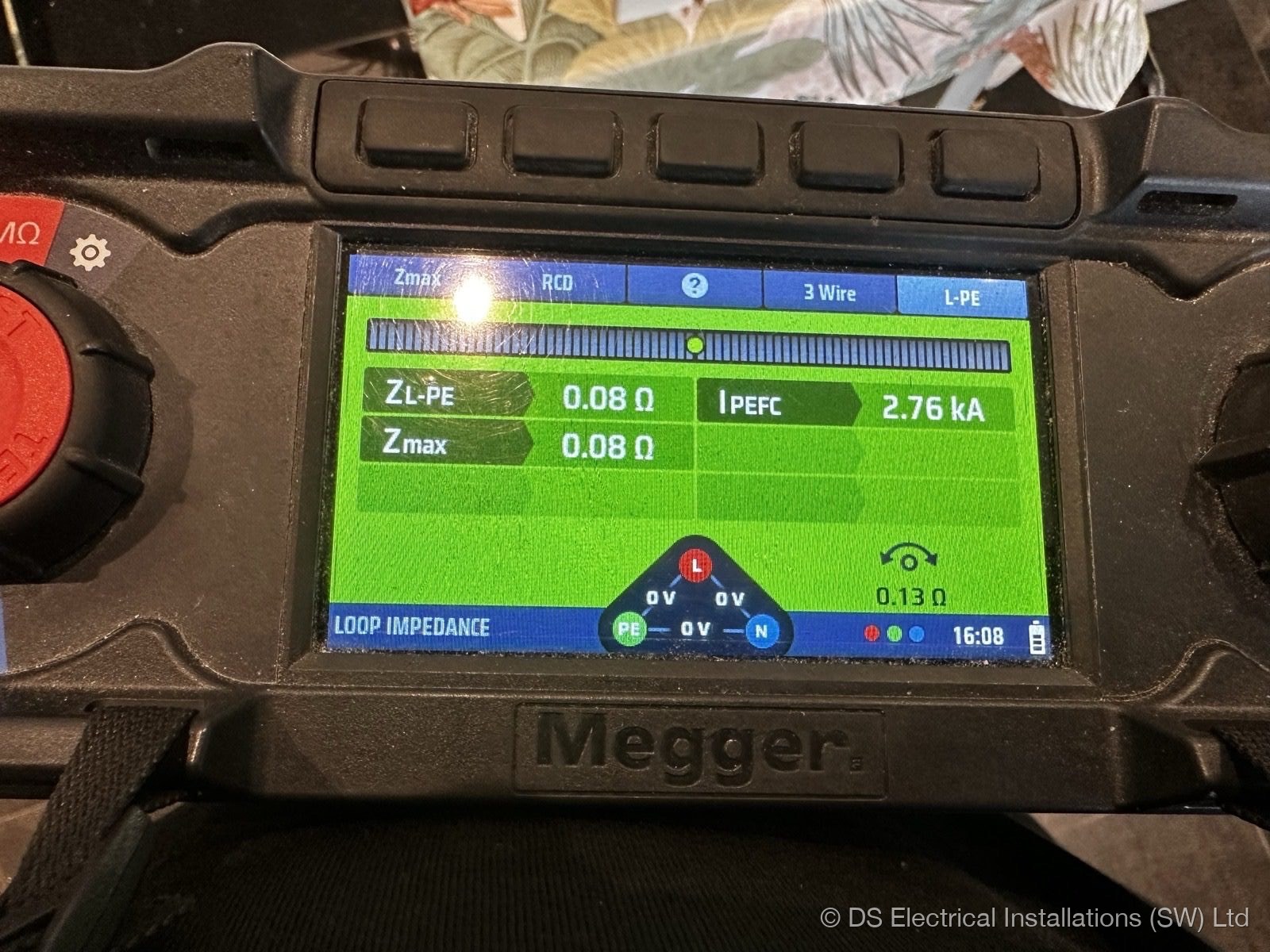
An EICR is how you find out what is actually there. We test every circuit, inspect the board, the earthing and the bonding, and open up a sample of accessories in each room. In an older building we also look for the things that tend to be missed: cables buried in lime plaster without protection, metal light fittings with no earth, and connections that have been made inside voids with no access.
Findings are coded C1, C2, C3 or FI. The report is unsatisfactory if any C1 or C2 is found. We explain each code in plain words and keep the remedial quote separate, so you can get another price if you want.
The Trinity area is an unusual early example of planned industrial housing: more than 300 houses built between 1660 and 1756. About half were demolished in the 1960s, and the rest were restored between 1980 and 1984. Wiring installed during that restoration is now around forty years old, which is the age at which a careful test is worth having.
Cheap Street and Catherine Hill have shops with flats and offices above, in buildings from the 16th and 17th centuries onwards. Mixed-use buildings often have more than one supply and more than one board, and a commercial EICR needs to cover everything the tenant uses.
At the other end of the scale, new housing on former industrial sites such as Saxonvale and Garsdale will have modern installations certified at handover. Those homes rarely need more than routine testing, but landlords letting them still need a report every five years.
Reports follow BS 7671:2018+A4:2026 and are lodged through NAPIT.
We charge by circuit count, so the price depends on the size of the installation. Listed and heritage buildings with complex layouts are priced after a walk-round. The written quote follows a survey or a phone and photo consultation, and the price is fixed before we start.
Testing an old building is mostly the same job, done with more care.
We test in Norton St Philip, Beckington (about three miles north), Rode, Hinton Charterhouse, Mells, Great Elm, Buckland Dinham, and Nunney (three miles south-west). Several of those villages have Grade I churches and long runs of listed houses, so the same care applies.
For Radstock, see EICR in Radstock.
Tell us the type of property and whether it is listed. We will call back with a price and a date.
Tell us about the building and we will price the EICR by circuit count.
07889 334849