Rented homes around Castle Cary are often not straightforward houses. A converted barn, a cottage of Cary stone with a wood burner, an annexe fed from the main house, a farm cottage with a supply running across a yard. The rules for landlords are the same as anywhere in England, but the electrics they apply to can be spread out, and old in places.
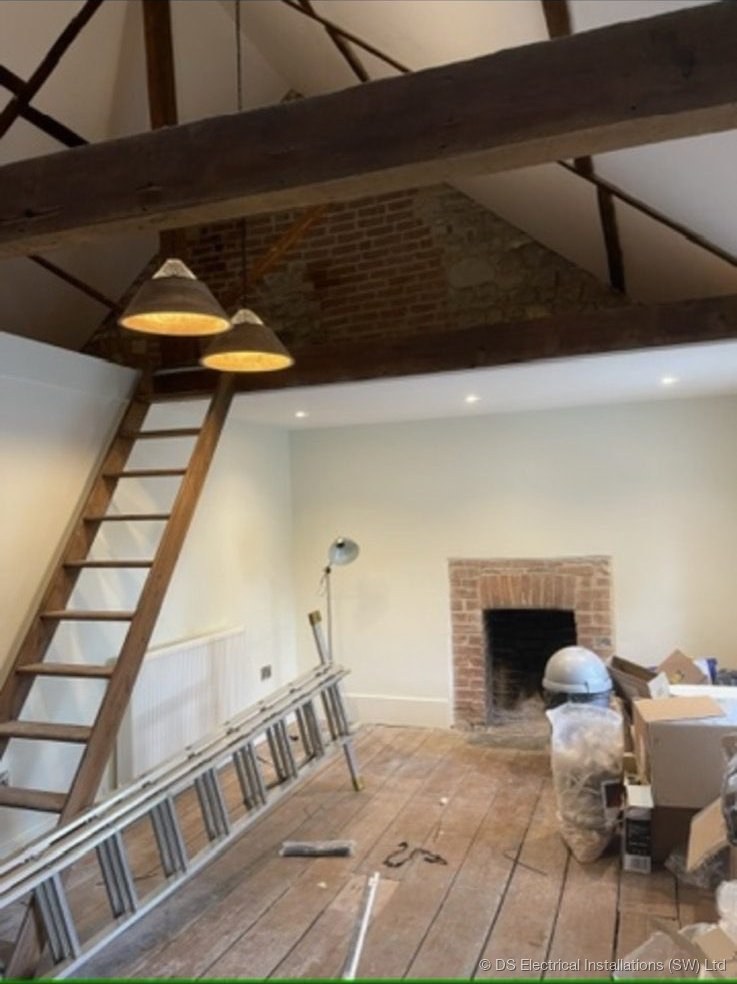
The town itself has period stone cottages, Georgian townhouses and Victorian villas; outside it there are restored farmhouses and converted barns. When one of those is let, the electrical installation the tenant relies on often stretches beyond the four walls of the house:
None of this makes compliance harder, but it does make the inspection longer, so tell us about every building with power when you ask for a price.
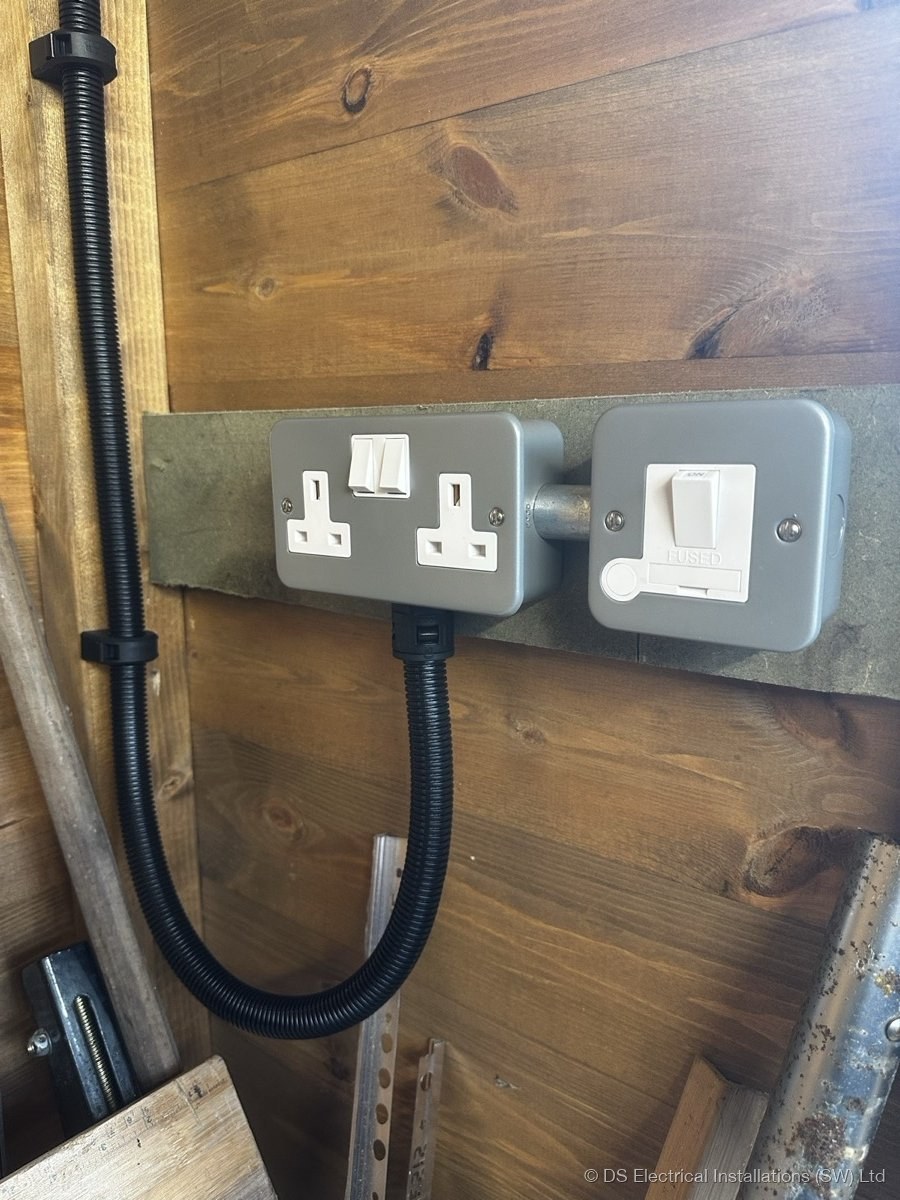
This is where rural lets most often fall short. The Smoke and Carbon Monoxide Alarm (England) Regulations 2015, as amended from 1 October 2022, require a carbon monoxide alarm in any room used as living accommodation that contains a fixed combustion appliance, other than a gas cooker. That covers boilers and gas fires, and it covers wood burners. Plenty of country cottages have a wood burner in the sitting room and an oil boiler in the kitchen or utility; if both rooms are used as living accommodation, both need a CO alarm.
The same regulations require a smoke alarm on each storey that has a room used wholly or partly as living accommodation, with bathrooms and toilets counting. In a barn conversion with a galleried bedroom or a split-level layout, working out what counts as a storey needs a walk round rather than a guess. Alarms must be checked as working on the day each new tenancy starts, and repaired or replaced when a tenant reports a fault.
The law does not insist on mains power, but we fit Aico mains alarms with sealed 10-year lithium back-up batteries. In an occupied cottage they are linked wirelessly with RadioLINK, which avoids lifting old boards or disturbing stone walls. Multi-sensor heat and CO alarms suit a kitchen with the boiler in it.
We quote each property on its own merits. The inspection is priced on the size of the installation and the number of circuits, including outbuildings and annexes, and on whether the supply is single-phase or three-phase. Listed or heritage properties need a walk-round first. Remedials are quoted at a fixed price in writing once the inspection is done.
The Electrical Safety Standards in the Private Rented Sector and Social Rented Sector (England) Regulations 2020 apply to a let barn just as they do to a let flat. In short:
Holiday lets should have the installation inspected and tested at least every five years, under government fire-safety guidance for paying-guest accommodation. For more on the inspection itself, see our Castle Cary EICR page.
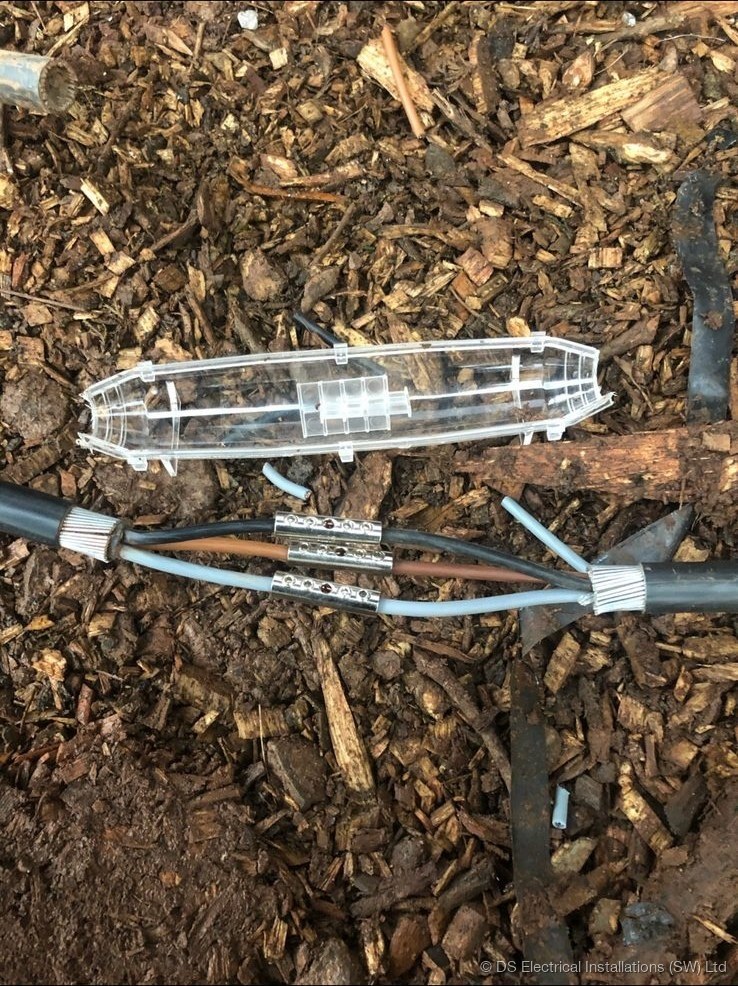
Rural lets are where the one-visit landlord pack earns its keep. Our electrician inspects and tests every circuit, fits or upgrades the alarms, and completes the certificates on the same visit, so the tenant only has to arrange access once. For a separate annexe or an outbuilding with its own board, we price the extra circuits at the published rate rather than guessing a figure.
If the report shows a board that needs replacing, we fit a metal RCBO board with a Type A RCBO on every circuit, a main switch and surge protection, and recheck the earthing and bonding at the same time. Details on our Castle Cary consumer unit page. Where the wiring in an old cottage is past saving, a partial rewire of the affected circuits is often enough; the Castle Cary rewires page explains how that is decided.
Real work within reach of the town, without names or addresses.
Leave your details and a line about the job. We will ring you back to talk it through and arrange a survey or a written price.
Yes, if the room with the wood burner is used as living accommodation. The amended alarm regulations require a carbon monoxide alarm in any such room containing a fixed combustion appliance other than a gas cooker, and a wood burner is one. The same goes for an oil or solid-fuel boiler in a kitchen or utility used as living space.
The report needs to cover the installation that serves the let, which includes the board and the cable feeding the annexe. In practice we test the annexe circuits and the supply and protective device feeding them from the main board, and record exactly what was covered. If you live in the main house yourself, the rest of your installation is not part of the landlord duty, though many owners have both done at once.
Yes. We work across the villages around Castle Cary, including Ansford, Alhampton, Lovington and Ditcheat, from our Mid Somerset base. Tell us about outbuildings, shared supplies or anything unusual when you get in touch and we will allow for it in the fixed price.
Yes, and they are usually the right choice. Mains alarms still need a permanent supply to each head, but RadioLINK does away with the interlink cable between them, so there is far less disturbance to old fabric. For listed and heritage properties we walk round first and price the inspection and any alarm work afterwards.
A typical three-bed house of six to ten circuits takes two and a half to three hours on site. Each outbuilding, annexe or long submain adds to that. We give you a fixed price once we know what is there, and with the landlord pack the tenant only needs to give access once.
Priced by the job, not by the hour. A written, fixed price after a survey, NAPIT certification on every notifiable job.
07889 334849