A lot of rented homes in Wells are run through a letting agent, and a lot of them are flats made out of older buildings in and around the centre. We carry out the five-yearly electrical inspection, bring the alarms up to the current rules, and hand back paperwork an agent can file and forward without having to chase anyone.
Most of the Wells landlords who contact us do not live round the corner from the property. The agent holds the keys, talks to the tenant and keeps the compliance file. That arrangement works well for us, as long as everyone knows who is booking what and who is approving what.
This is how we normally run it:
Decide one thing before the visit: can the agent approve remedials up to a set amount, or does every item come back to you? If the agent can say yes to a broken socket or a missing heat alarm there and then, the job is often closed in one visit instead of two, and the 28-day deadline is not eaten up by emails.
Two pieces of law cover the electrics and alarms in a privately rented home in England. Your agent may handle the admin, but the duty sits with you as the landlord.
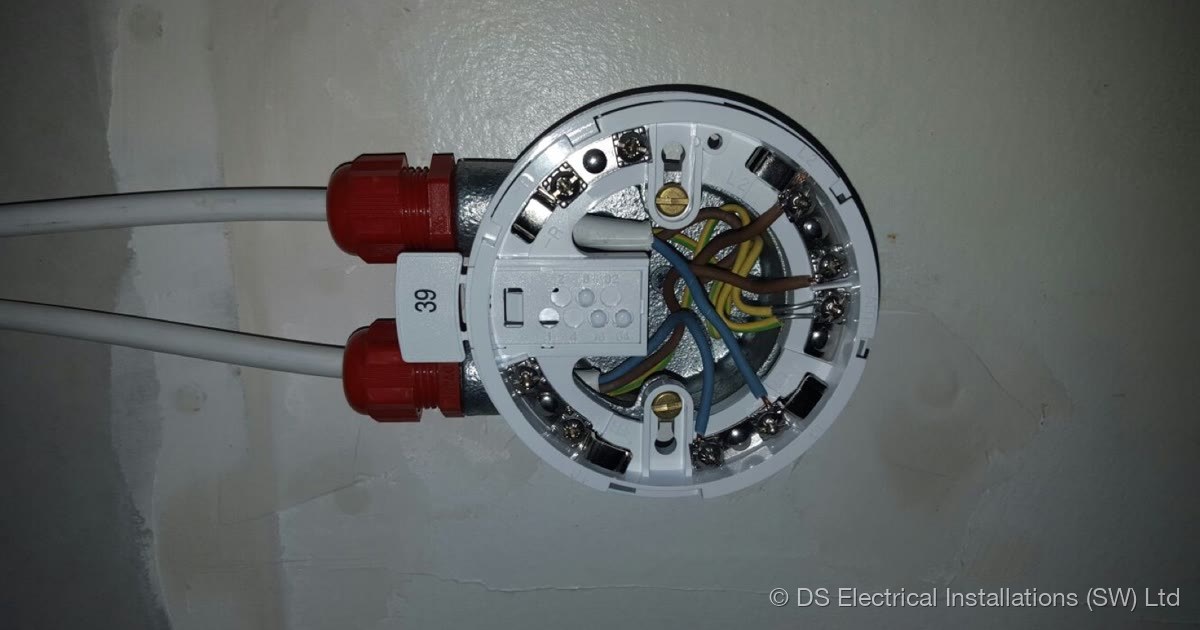
The amended alarm rules have been in force since 1 October 2022. They do not say whether alarms must be mains or battery powered. We recommend and fit mains-powered interlinked alarms with sealed back-up batteries, because a tenant cannot pull the battery out of one to stop it chirping.
We quote each let on its own merits. The inspection is priced on the size of the installation and the number of circuits, and the alarms on the layout of the flat or house. Remedial work found on the inspection is quoted separately, in writing and at a fixed price, before anything is done.
Wells has medieval and Georgian stone buildings in the centre, Victorian terraces around them and Edwardian villas on the edges. Plenty of those have been split into flats at some point, and the electrics usually show where it happened. In that kind of conversion we look closely at:
None of this is unusual. The point of the inspection is to find it before a tenant does.
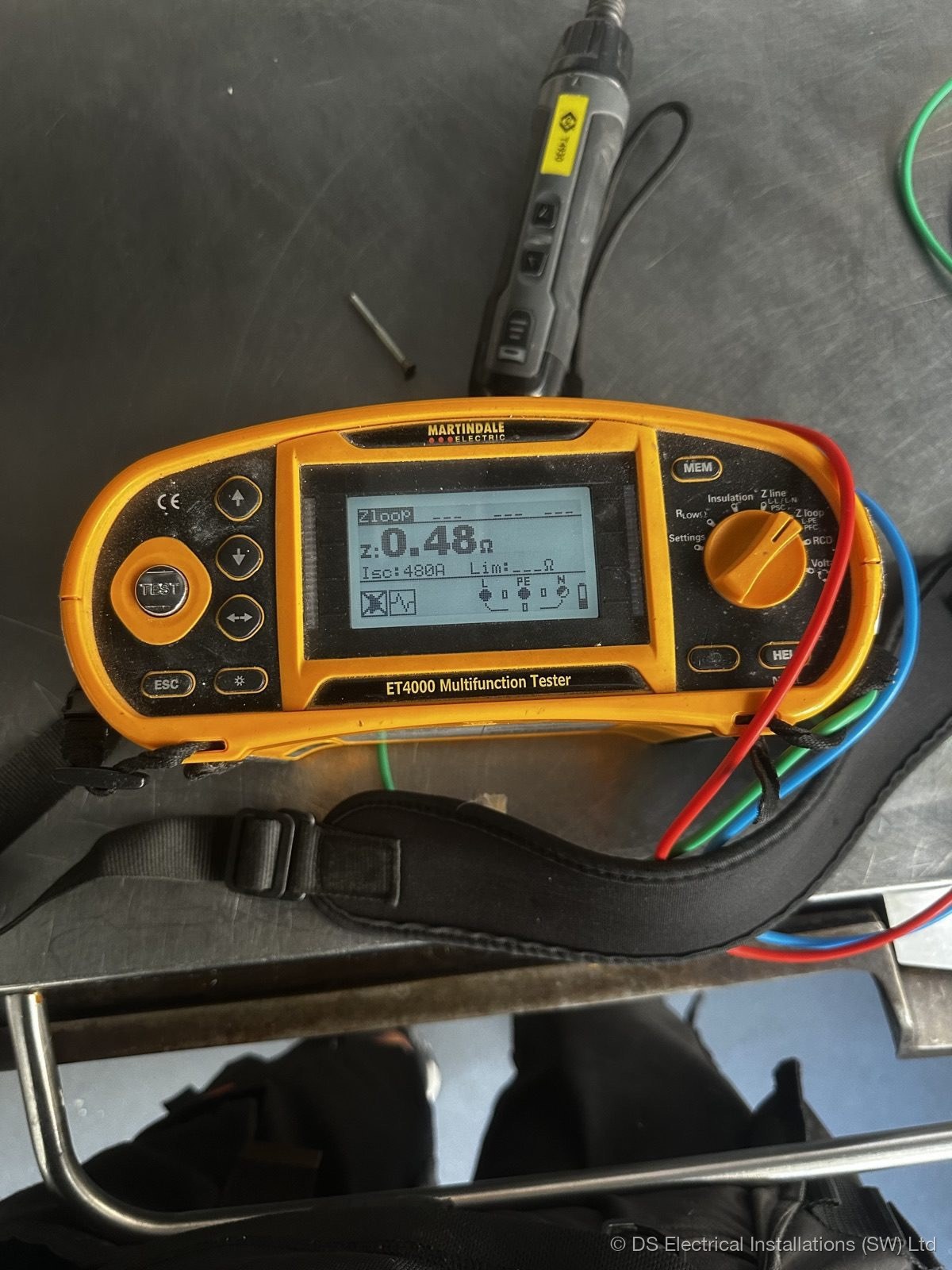
Our electrician inspects every circuit and carries out the dead and live tests: continuity, insulation resistance, polarity, earth fault loop impedance and RCD operation. The readings are written onto the schedule that forms part of the report. It helps if the tenant clears access to the consumer unit, the loft hatch if there is one, and a few sockets that are usually hidden behind furniture.
Every defect is given a code. C1 means danger present, and with your agreement (or the agent's) we make it safe before we leave. C2 is potentially dangerous and must be put right for the report to be satisfactory. C3 is an improvement recommended. FI means further investigation is needed. Any C1, C2 or FI makes the report unsatisfactory, which starts the 28-day remedial clock. If the installation is satisfactory, the certificate is issued the same day.
For more on the inspection itself, see our EICR page for Wells, and for alarm layouts on their own, our smoke alarm page for Wells.
Two jobs from this year within a few miles of the city, described without names or addresses.
Leave your details and a line about the job. We will ring you back to talk it through and arrange a survey or a written price.
Yes. Plenty of Wells landlords let the agent book access and receive the reports. Tell us in writing what the agent can approve, for example any remedial up to a set amount, and anything above that comes to you first. That way small items can be cleared on the day and the 28-day deadline is not used up by messages going back and forth.
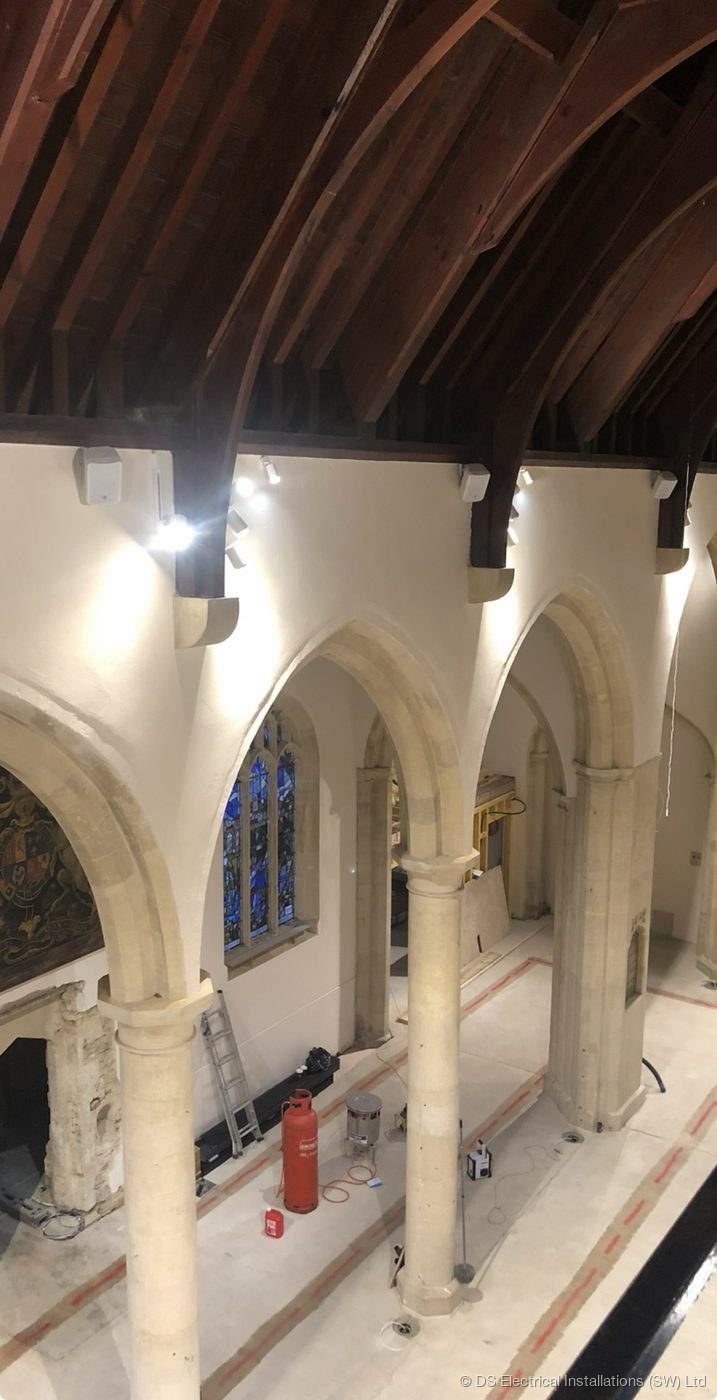
The law is the same: inspection at least every five years and remedials within 28 days. What changes is how remedial work is carried out. Cable routes, alarm positions and any new fittings need more thought in a listed building, so we walk round first and price it afterwards. Wireless interlinked alarms help a lot here, because they avoid lifting old floors or chasing walls.
The duty is yours as landlord, but it can be carried out on your behalf. Most agents forward the report to the tenant themselves. Either way, each existing tenant must have a copy within 28 days of the inspection, and a new tenant must have one before they move in. Keep a record of when and how it was sent.
Not if the current report is still within its interval. The new tenant must be given a copy of the existing report before they move in. The alarms are different: they must be checked and working on the day the new tenancy starts, so an alarm test at changeover is worth building into the agent's check-in routine.
If the landlord supply serves parts of the building that belong to your let, it should be inspected as part of the installation. Tell us when you book which areas and which meters are yours, and send a photo of each board. Extra circuits are priced at the published per-circuit rate, so the cost is clear before we arrive.
Priced by the job, not by the hour. A written, fixed price after a survey, NAPIT certification on every notifiable job.
07889 334849