Not every older house in Wells needs ripping back to bare walls. Some need a complete rewire, some need three or four circuits replaced, and some just need a new board and a few repairs. We survey first, test what is there, and give you a written fixed price for the work the house actually needs.
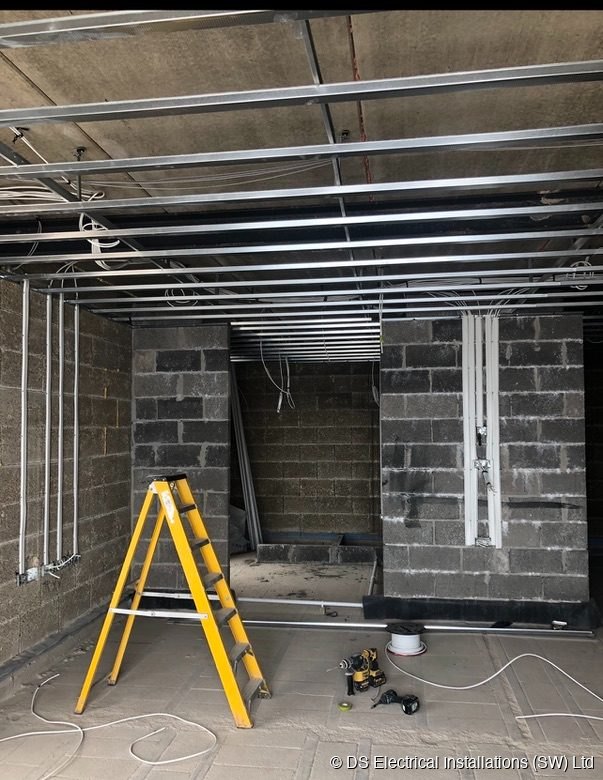
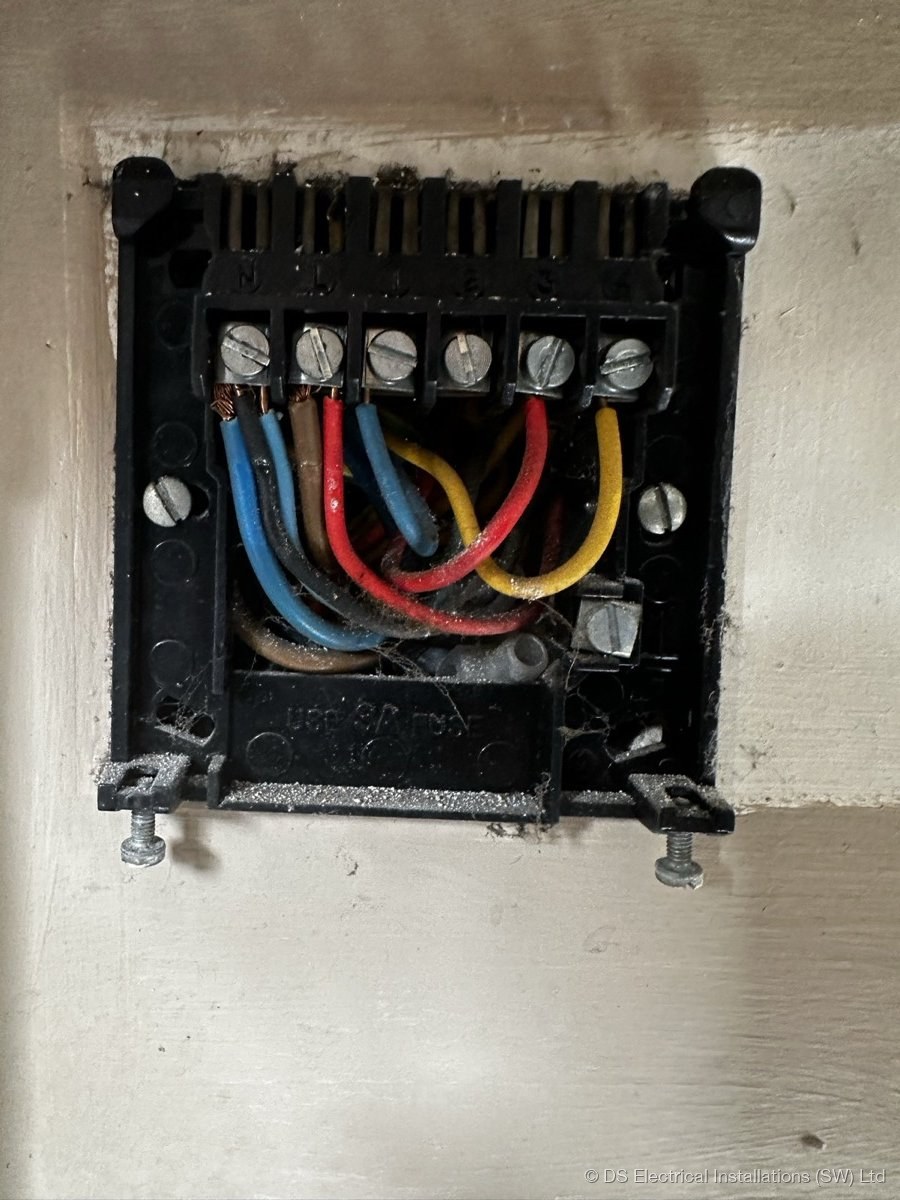
The honest answer depends on what the cables are made of, how they have been altered over the years, and how they test. A house wired once in the 1970s and left alone can be in better shape than a much newer one that has been extended by three different people. Age alone is a poor guide.
A full rewire makes sense when the wiring is old right through: perished insulation, lighting circuits with no earth conductor, several small boards feeding different parts of the house, or test readings that are poor on most circuits. A partial rewire makes sense when the trouble is concentrated, for example a kitchen added onto an old ring, or an upstairs lighting circuit that never had an earth. An EICR in Wells tells you which of those you are dealing with, circuit by circuit, before anyone lifts a floorboard.
Around the Market Place and the streets towards the Cathedral and the Bishop's Palace, the medieval and Georgian stone buildings often have wiring that has been added to in layers. Thick walls and old floors make cable routes the main planning job. Where a building is listed, our heritage rewiring page for Wells explains how we approach it.
Long, narrow plans with suspended timber floors downstairs usually give good access. The usual finds are mixed cable types, lighting circuits without an earth, and sockets crowded onto one circuit.
Larger rooms, high ceilings and more circuits. These often suit a full rewire planned around redecoration, because the work touches nearly every room.
Houses from these periods often only need a board change and some targeted circuit work rather than a full rewire. We will say so if that is the case.
Outbuildings, long supply runs and older earthing arrangements all need checking alongside the house itself.
Every rewire is priced per property after a survey, because circuit count, floor construction and access vary a great deal between a city-centre stone house and a modern semi. The same goes for a partial rewire or a new RCBO consumer unit, and an EICR first can show what is actually needed. You get a fixed price in writing before any work starts.
From that we write a fixed price for the job. We price by the job, not by the hour, and VAT is shown separately so there are no surprises when the invoice arrives.
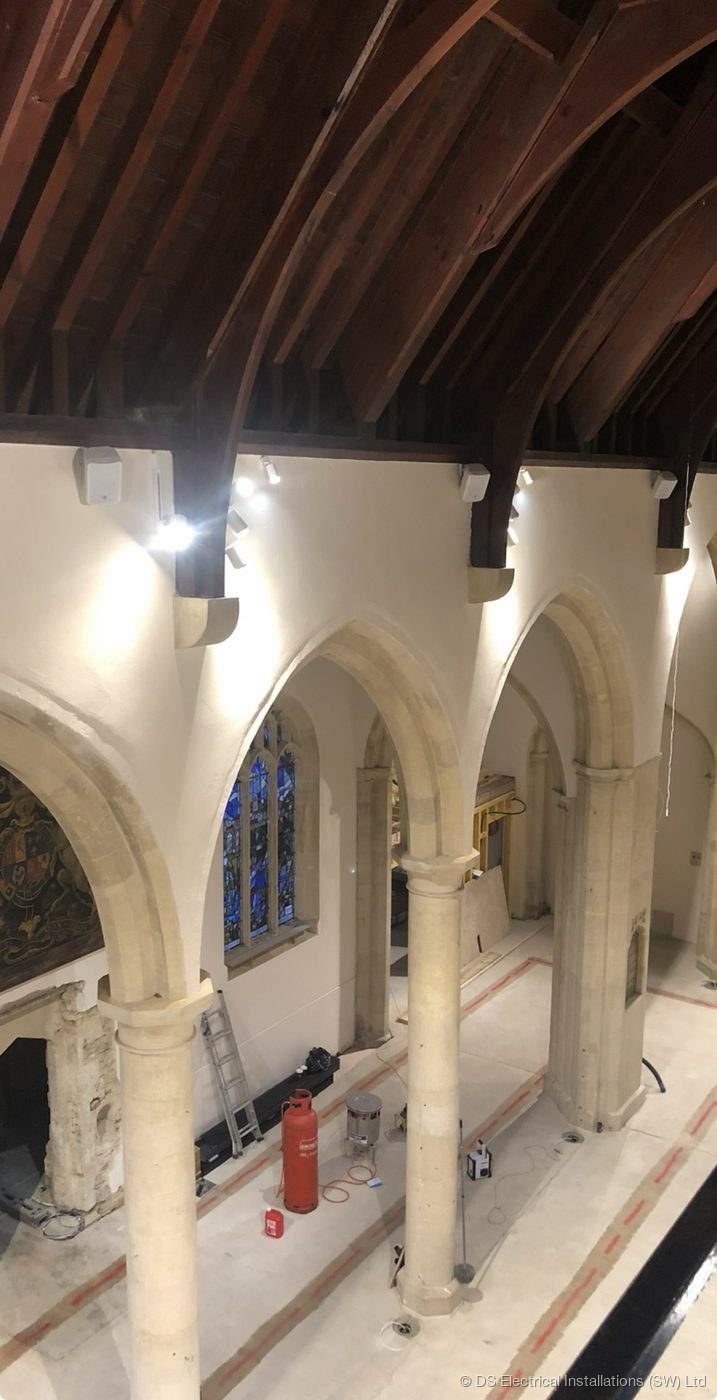
None of these were full rewires, but they show how we test, trace and record older installations in and around the city.
Sometimes the cables are sound and the weak point is the board. In that case a consumer unit replacement in Wells may be the right spend, with a few repairs alongside it. We would rather tell you that than sell you a rewire you do not need. You can read more about the full process on our main rewires page.
Leave your details and a line about the job. We will ring you back to talk it through and arrange a survey or a written price.
Get an EICR on the house. A building surveyor can only look at the visible parts, while an EICR tests every circuit and records the readings. The report shows whether you are looking at a full rewire, a partial one, or a handful of repairs. The EICR gives you something concrete to take back to the seller.
Every rewire is priced individually. The price depends on how many circuits the house needs, how the floors are built, how easy the loft and walls are to work through, and how many sockets and lights you want. You get a written fixed price after the survey.
It can be done with care. We use floor voids and the loft wherever possible, so walls are only chased where there is no other sensible route. Stone and old plaster need a different approach to modern blockwork, and we plan routes at the survey so you know where the disturbance will be before we start. Small chases are made good as part of the job.
A three-bedroom house typically takes 5 to 10 working days. A flat is usually 3 to 4 days. Larger or period houses, including many of the stone houses in Wells, run to 2 to 3 weeks because there are more rooms, more circuits and slower routes. We give you a programme with the price.
Yes. Every rewire includes interlinked mains smoke alarms and a heat alarm in the kitchen, with sealed back-up batteries. Because the walls and floors are already open, they are wired in on a hardwired interlink rather than relying on a wireless link.
Priced by the job, not by the hour. A written, fixed price after a survey, NAPIT certification on every notifiable job.
07889 334849