An EICR is a full inspection and test of the fixed wiring in a property, written up as a coded report. In Wells that might be a Georgian house near the Market Place, a Victorian terrace, a post-war semi or a farmhouse on the Mendip fringe, and each one turns up different things. We test every circuit, explain what we find in plain English and price any work in writing.
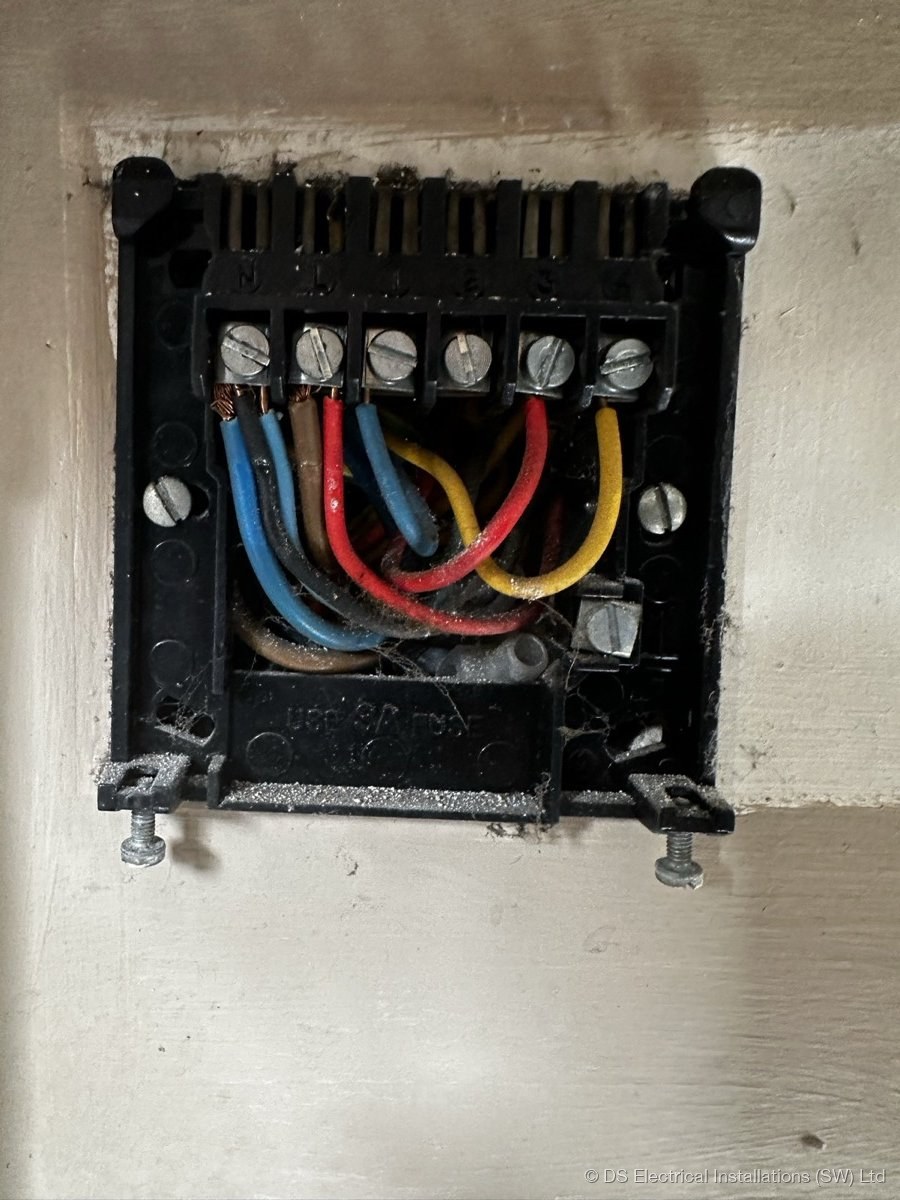
Every EICR follows one method: we inspect the fixed wiring, test it, record readings for each circuit and code anything that falls short of the current wiring regulations. What changes from street to street in Wells is what we tend to find, and how much care the building needs while we work.
Houses around the Market Place and the older streets near the Cathedral have usually been rewired in stages over many decades. Two or three generations of cable in one building is not unusual, with later circuits added wherever a run was easiest. Thick stone walls push cables onto the surface or behind lath and plaster, so we check terminations carefully at accessories and in the loft rather than assuming a run is continuous.
Most have had a full rewire at some point, but the consumer unit and the main bonding were not always brought along with it. Missing or undersized bonding to the gas and water pipes turns up regularly, as do sockets spurred off a layout that was designed when a room had one or two.
Bigger rooms, more circuits, cellars and outbuildings. These houses often go past ten circuits, which affects the price, and they tend to have older garden or garage supplies that never made it onto a test schedule.
Wiring here is generally in better shape. The usual items are an older board without RCD protection on every circuit, DIY additions in kitchens and garages, and outdoor sockets that are not protected as they should be.
Long runs to barns and workshops, sub-boards in outbuildings and a blend of agricultural and domestic wiring. Outbuilding supplies are part of the installation and we test them, so mention them when you book.
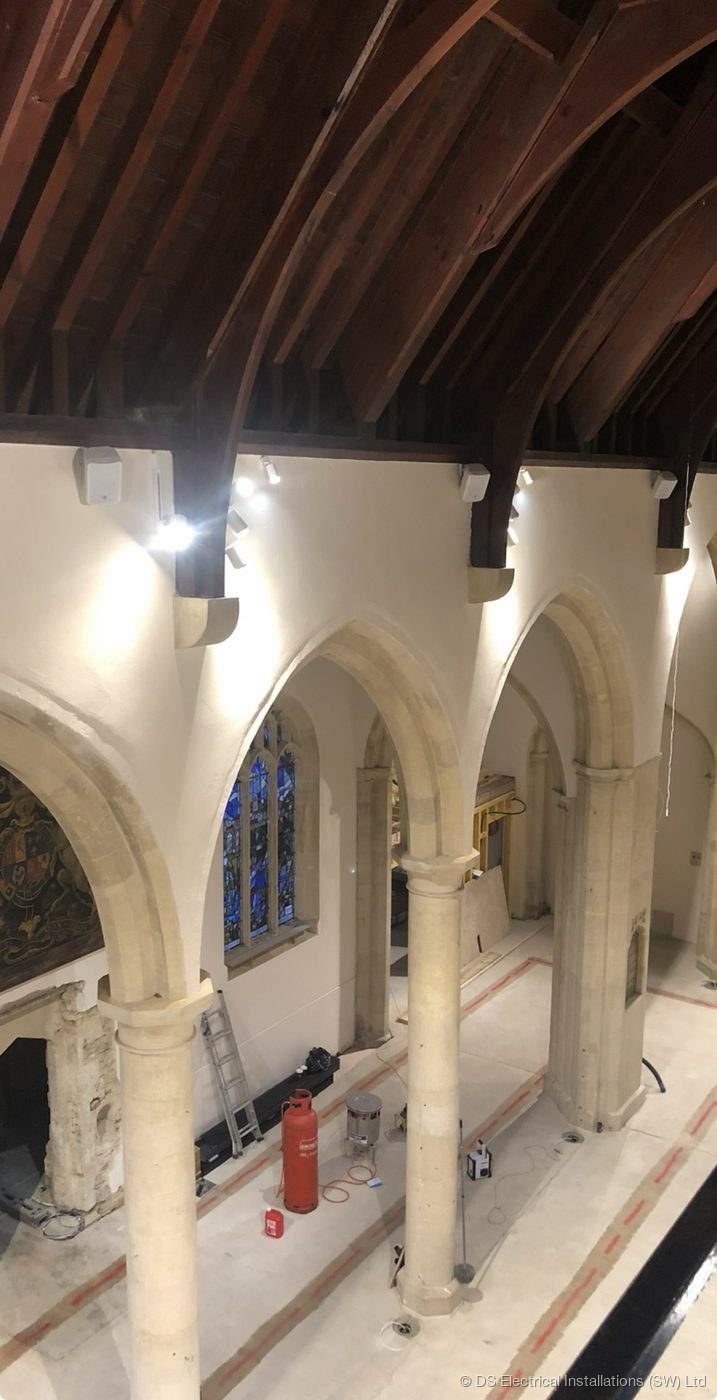
Wells has a great deal of listed housing, and an inspection in a listed building is priced differently: we walk round first, then give a fixed price. Access is the main variable. Panelling, historic plasterwork and fixed floor finishes limit what can be opened up, and we will not disturb historic fabric to get a reading without your agreement.
Where something cannot be reached, the report says so plainly as a limitation rather than guessing. If we suspect a fault behind a finish we cannot open, it becomes a further investigation item (FI), with a note of what would be needed to look properly. If the report points towards rewiring, our heritage rewiring page for Wells explains how we approach period fabric.
The price depends on the size of the installation and the number of circuits. A typical three-bed house has between six and ten; we count them with you before confirming a fixed price in writing. Listed and heritage buildings are priced after a walk-round, and landlords can have the EICR, alarms and certification done in one visit.
Power goes off in short spells rather than all day. A typical three-bed semi keeps our electricians on site for roughly two and a half to three hours; an Edwardian villa or a farmhouse with outbuildings takes longer. Tell us about freezers, medical equipment or home working so the off periods can be planned around them.
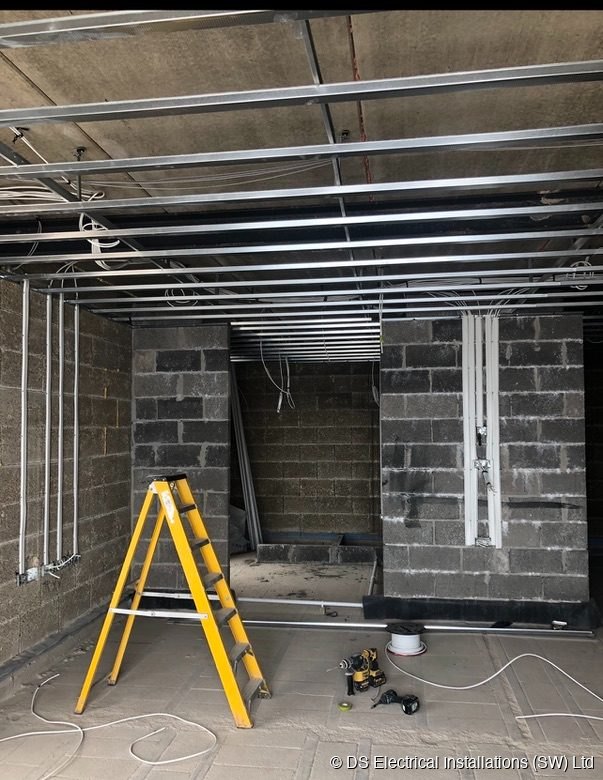
If you own and live in the house, no law says how often it must be inspected. The usual guidance is roughly every ten years, and at a change of ownership. An inspection is also sensible after a flood, a fire or a big extension, or if you have just moved in and the paperwork is thin.
If you are selling or buying, a recent report answers the electrical questions a survey raises before they hold up the sale. Sometimes a buyer's surveyor only needs one item confirmed, such as the main bonding, rather than a full report. We can do either.
If you let the property, the 2020 private rented sector regulations require an inspection at least every five years, with remedial work done within 28 days where the report calls for it. Our landlord compliance page for Wells covers the full duty, alarms included.
Three jobs from this year in and around the city, described without names or addresses. Croscombe sits about 3 miles east on the A371; Pilton is about 4 miles to the south-east.
One C1, C2 or FI makes the whole report unsatisfactory. When that happens you get a written price for the remedial work, and once it is done we re-test and issue updated certification. A satisfactory report is issued the same day.
Leave your details and a line about the job. We will ring you back to talk it through and arrange a survey or a written price.
Yes. The tests are the same as in any other house, but we price a listed building after a walk-round because access varies so much. We work around panelling, historic plaster and fixed floors rather than through them, and anything we cannot reach is recorded on the report as a limitation. If we suspect a problem behind a finish we cannot open, we code it for further investigation and explain what that would involve before anything is disturbed.
Not always. Some buyers want a full report; sometimes a surveyor has flagged one item, such as the main bonding, and only needs that confirmed in writing. Ask your solicitor or the buyer what has actually been requested. We can carry out a full EICR, or test and confirm a single item. A recent satisfactory report to hand tends to stop electrical questions dragging a sale out.
Not all day. Most testing is done circuit by circuit, so each circuit is off for a short spell while it is tested, with a few moments when the whole supply is off. A typical three-bed semi takes around two and a half to three hours. Let us know about freezers, fish tanks, medical equipment or anyone working from home and we will plan around them.
Yes, they are part of the installation and we test them. Garages, workshops, garden offices and outdoor sockets are common around the villas and farmhouses on the edge of Wells, and older supplies to them are often missing from previous reports. Mention them when you book so we allow for the extra circuits and time.
You get the report with each problem coded and a written, fixed price for the remedial work. You decide whether we carry it out. Once the work is done we re-test the affected circuits and issue updated certification, so you end up with a satisfactory report on file. Anything coded C1 is made safe before we leave, with your agreement.
Priced by the job, not by the hour. A written, fixed price after a survey, NAPIT certification on every notifiable job.
07889 334849