Glastonbury has a lot of small, old and mixed-use property: flats above High Street shops, medieval and Georgian cottages, Victorian terraces and holiday lets that see new guests every few days. Each one brings its own problems for an inspection. We test every circuit, write the findings up in plain terms and, when something fails, carry out the remedials and re-test.
The High Street and the streets off it have many flats over commercial premises. They raise questions an ordinary house does not:
If the shop is a separate tenancy, tell us when you book so that access to the intake can be arranged with them.
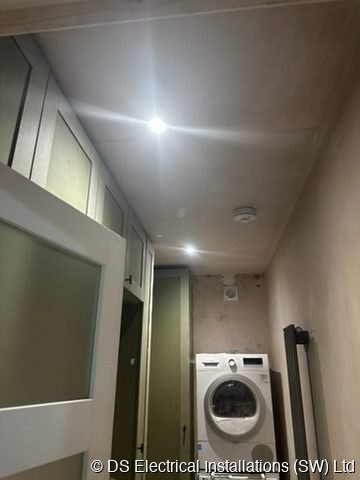
Holiday lets should have the installation inspected and tested at least every five years, according to government fire-safety guidance for paying-guest accommodation.
Changeover days are short, so we plan the inspection for a gap between bookings and give you a written price straight away if anything needs doing. Guests do not know the house, and the things that get our attention in a let reflect that: outdoor sockets, bedrooms with too few sockets where extension leads end up daisy-chained, and RCD protection on the circuits guests are most likely to use outside.
Every job is priced individually. An EICR depends on the size of the installation and the number of circuits; a landlord visit that adds alarms depends on the layout of the property. Listed and heritage cottages are priced after a walk-round. Remedial work is quoted separately, in writing, once we have the findings.
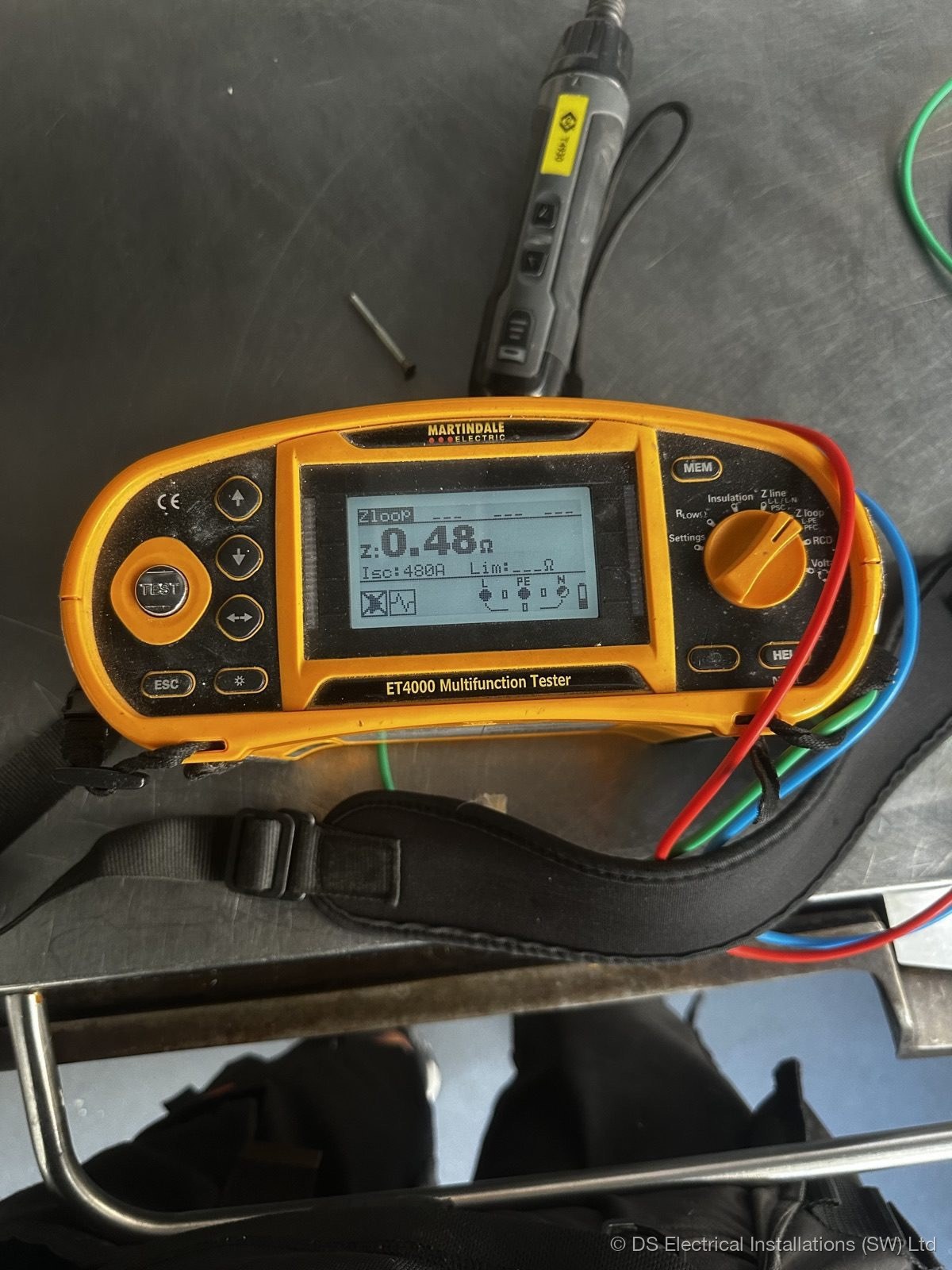
This year we went back to a town-centre flat in Glastonbury after its EICR came back unsatisfactory. The visit shows what clearing a failed report actually involves:
Every unsatisfactory report we issue comes with a written price for this kind of work, item by item, so you can see what each code will cost to clear before you agree to anything.
In the medieval and Georgian cottages near the town centre, walls are thick, ceilings low and floors often original. Circuits have been added one at a time over decades, so a single cottage can have quite different wiring from one room to the next. We inspected a nine-circuit cottage in the town this year; nine circuits keeps a house inside the standard up-to-ten-circuit price.
The Victorian and Edwardian terraces are usually easier to test but have been altered more. Kitchens pushed into back additions, showers added upstairs and loft rooms converted are where we look hardest, because each is somewhere an older circuit may have been extended or overloaded.
If a cottage report points towards a bigger job, the Glastonbury rewires page explains how we rewire around people living in the house.
Anonymised examples from the town and from Baltonsborough, about 4 miles to the south-east.
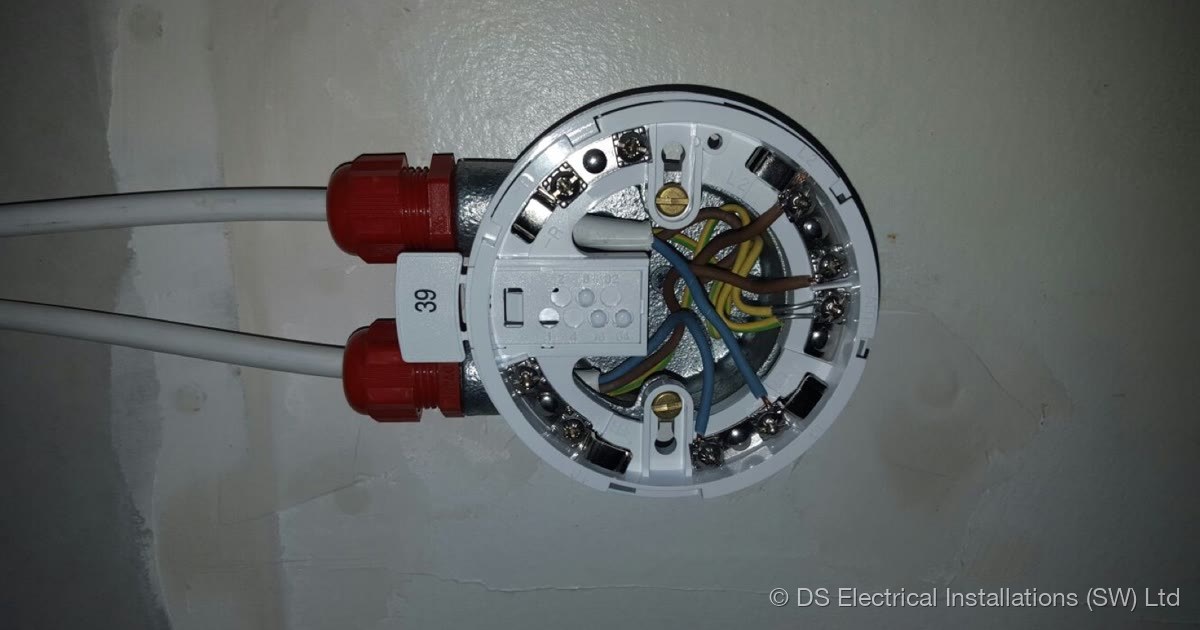
An EICR is about the fixed wiring. Smoke, heat and CO alarms fall under separate rules for landlords and separate guidance for homes, but they are often dealt with on the same visit. One Glastonbury property this year needed its fire detection extended to five mains-powered, wirelessly interlinked alarms in the hall, landing, living room, kitchen and utility, to meet a fire safety requirement on the property.
When we install alarms we certify the electrical work only, on an Electrical Installation Certificate or a Minor Works certificate. For layouts and prices see smoke and heat alarms in Glastonbury. Panel systems for shops and commercial buildings are a different kind of system, covered on our Glastonbury fire alarm page.
Leave your details and a line about the job. We will ring you back to talk it through and arrange a survey or a written price.
It is common in the town centre and it is fine, but we do need access to it. The earthing, the main bonding and the main switch are all tested at the intake, so the report cannot be completed without reaching it. If the shop is let to someone else, give us their contact or arrange a time with them, and we will fit the inspection around their opening hours where we can.
Government fire-safety guidance for paying-guest accommodation says the installation should be inspected and tested at least every five years. We book the visit into a gap between guests and send a written price for any remedials with the report, so the work can be planned around bookings.
Yes. Every unsatisfactory report comes with a written, fixed price for each item. If you go ahead, our own electricians carry out the work, re-test the circuits involved and update the certification. You are not obliged to use us for the remedials, but having the team that found the fault fix it usually saves a second round of explanations.
Insulation resistance shows whether current is leaking between conductors or to earth. A low reading can come from damaged cable, a nail or screw through a cable, damp in an accessory or a faulty appliance left plugged in. A low result is normally coded for repair or further investigation, and the report cannot be satisfactory until it is resolved. In a town-centre flat this year we traced a low reading, fixed it and re-tested.
Each EICR is priced on its own. The size of the installation and the number of circuits set the price, and you get it fixed in writing before we start. Listed cottages are priced after a walk-round, because access to the wiring varies so much from one building to the next.
Priced by the job, not by the hour. A written, fixed price after a survey, NAPIT certification on every notifiable job.
07889 334849