People in Street usually ask us the price before anything else, so this page starts there. Every rewire is priced individually, with a fixed written quote after a survey. Below we set out what moves the price, what is always included, what we list separately, and why a 1960s semi and a Victorian terrace on the same side of town can come out at quite different numbers.
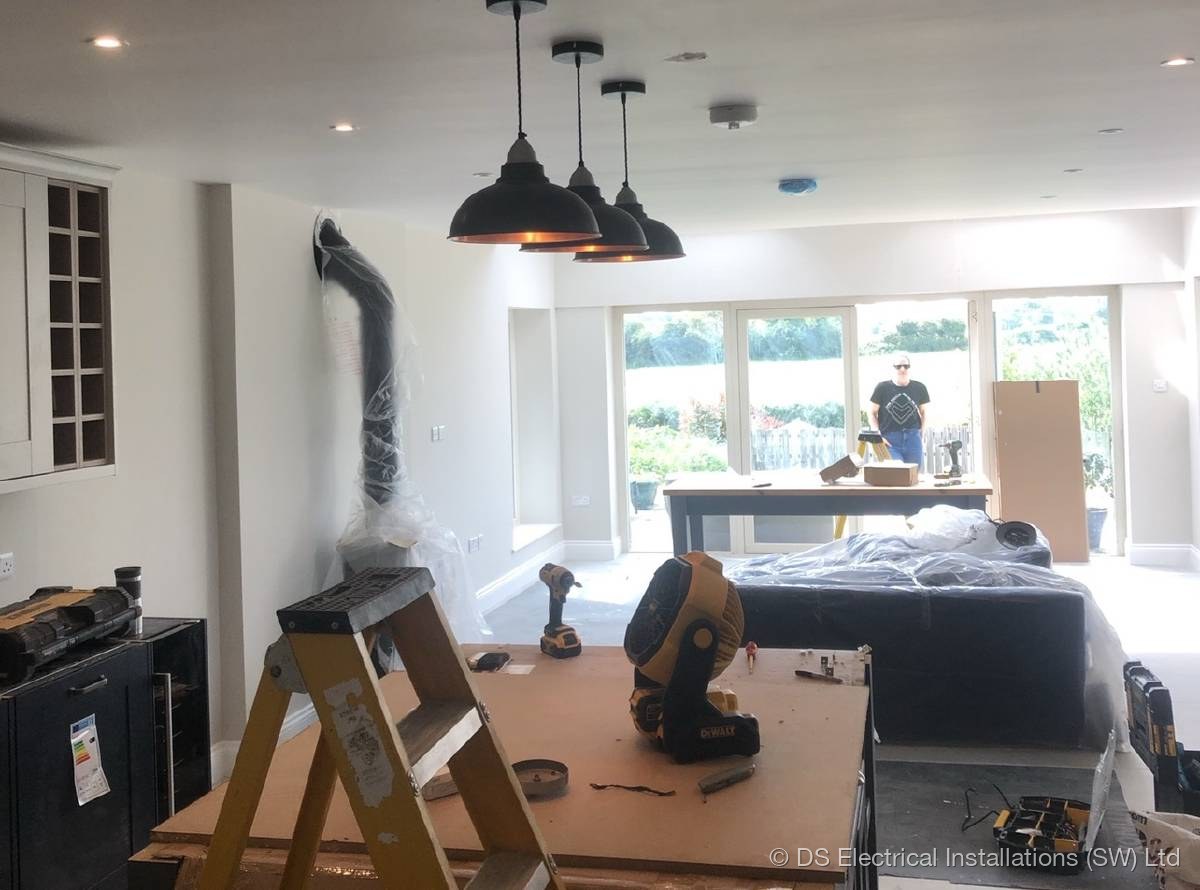
On the older streets the terraces tend to have timber floors and reasonable lofts, which helps. The cost tends to come from bringing very old layouts up to modern use: more sockets in every room, kitchens that have moved, and lighting that was never earthed.
Many of these were rewired at some point already, and PVC cable from that era can still test well. Before committing to a full rewire, it is worth testing. You may find the cable is fine and the money is better spent on the board and a few circuits.
Houses built in recent decades seldom need rewiring. If something feels wrong in a newer house, an inspection is the place to start.
No two houses are the same, so we don't publish a price list. The price depends on the size, construction and access of the property and the layout you want. Whether it is a whole-house rewire, a partial rewire of a flat, a new consumer unit or an inspection first, your price is fixed in writing after we have surveyed the property.
Some work sits alongside a rewire but is not part of it. We put these on the quote as separate lines so you can decide on each one: larger replastering, an EV charge point, power and lighting to an outbuilding, outdoor lighting, and anything that depends on another trade, such as a kitchen fitter's programme. Nothing gets added quietly halfway through. If we find something during the work that the survey could not show, we stop, explain and price it before carrying on.
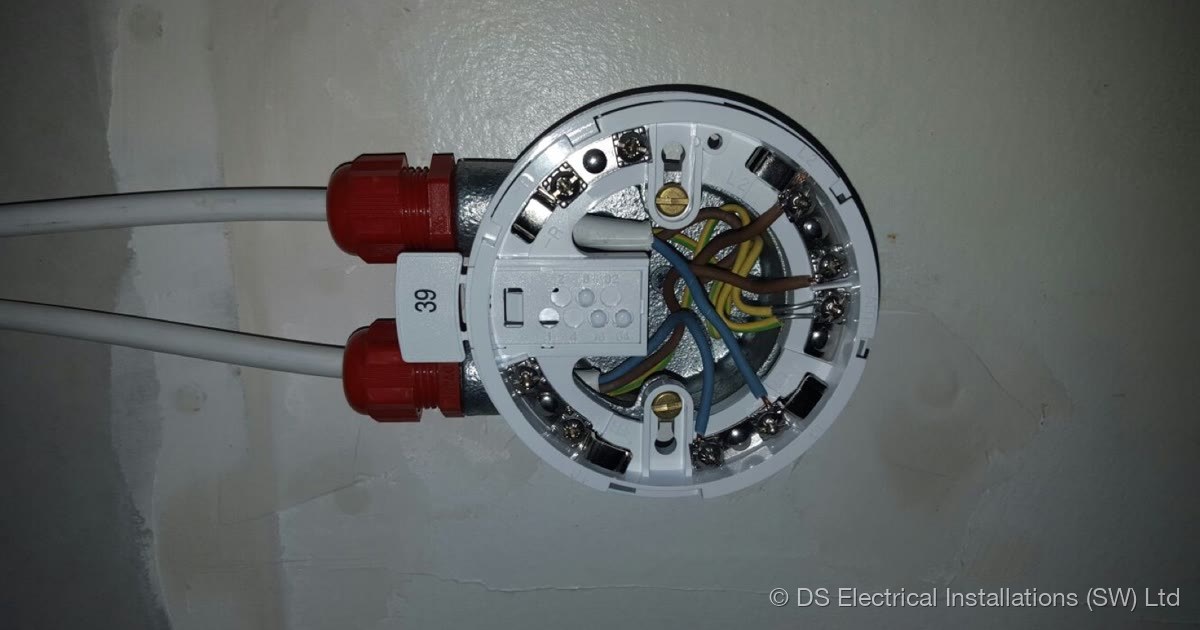
Two recent jobs a few miles from Street. Neither was a rewire, but both started with finding out what was really on site before deciding what to do.
If you are not sure the house needs rewiring, an EICR in Street tells you where you stand. If the cable is sound and the board is old, a fuse board replacement may be all that is needed. For everyday jobs in town, see our electrician in Street page.
Leave your details and a line about the job. We will ring you back to talk it through and arrange a survey or a written price.
The price is fixed for the scope we agree after the survey. It only changes if you ask for extra work or we uncover something the survey genuinely could not show, such as damage hidden under a floor. In that case we stop, show you, and give you a price for it before going further. We never charge by the hour on a rewire.
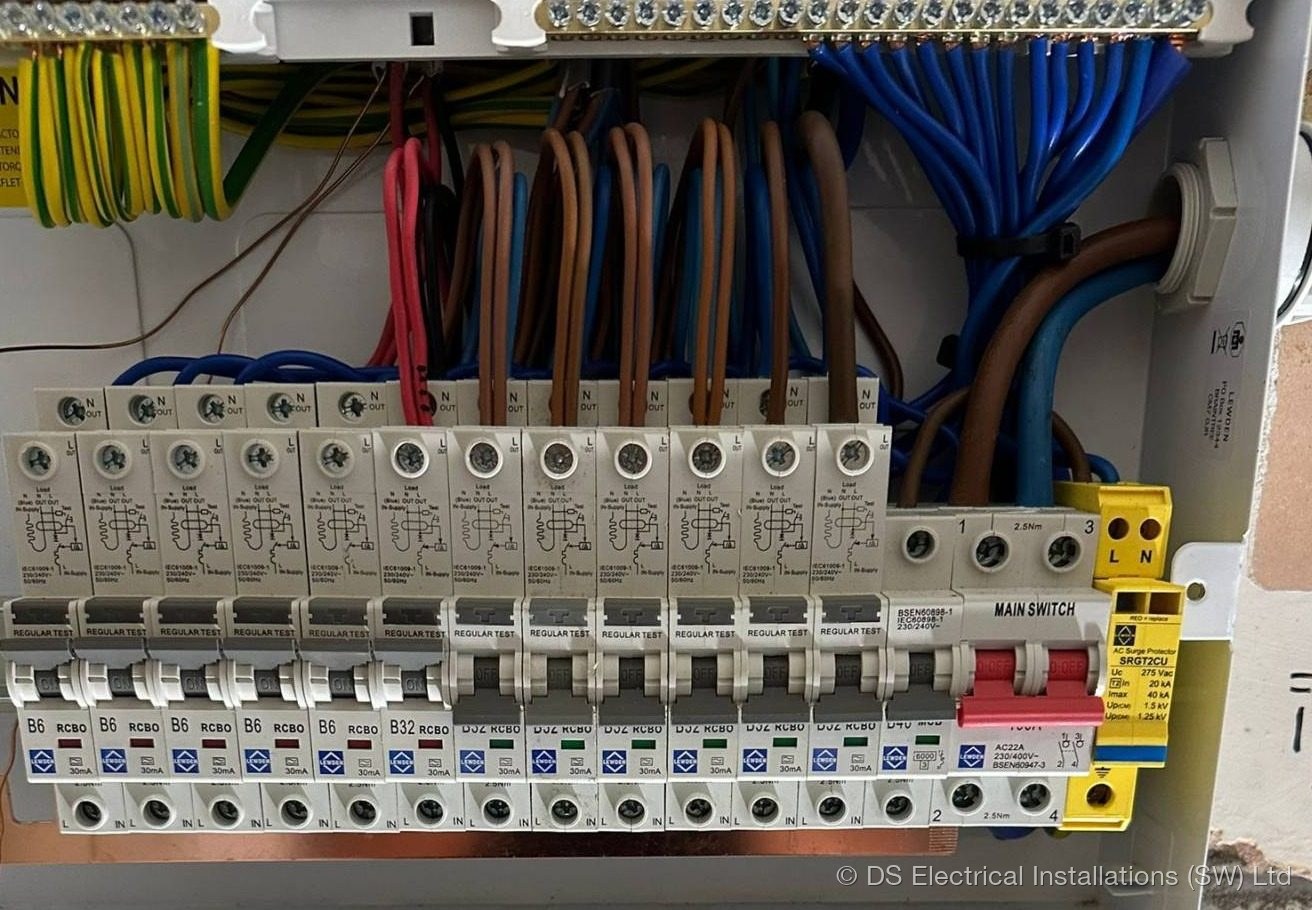
Not necessarily. Many houses of that age have PVC cable that still tests well, and the weak point is often the board, a lack of RCD protection, or circuits that have been altered badly. An inspection and test shows which. If the cable is sound, a new RCBO board and some targeted work can be far cheaper than a rewire.
Yes, and it is the cheapest time to do it, because the floors and walls are already open. We go through each room with you at the survey and mark where you want sockets, switches, lights and any outside power. The quote reflects that layout, so you can see what the extras add.
Typically 5 to 10 working days. The range depends on the floors, the number of circuits and how much you are adding. A flat is usually 3 to 4 days, and a larger or period house can take 2 to 3 weeks. We work circuit by circuit, so most people stay at home throughout.
Because two houses that look alike from the road can be very different inside. Floor construction, the state of the loft, the number of circuits and the layout you want all change the figure. For small jobs a photo-based phone consult is often enough, but a rewire needs someone in the house. After the survey you get a written fixed price with VAT shown on its own line.
Priced by the job, not by the hour. A written, fixed price after a survey, NAPIT certification on every notifiable job.
07889 334849